

Now Reading: The Digital Arena: Why Esports is on a Trajectory to Become the Biggest Spectacle in Entertainment
- 01
The Digital Arena: Why Esports is on a Trajectory to Become the Biggest Spectacle in Entertainment
The Digital Arena: Why Esports is on a Trajectory to Become the Biggest Spectacle in Entertainment

For years, the term “esports” was met with skepticism, often conjuring a stale, outdated stereotype of teenagers playing video games in a dimly lit basement. That image is now laughably archaic. The reality of professional gaming in August 2025 is one of sold-out arenas from Seoul to Los Angeles, prize pools that dwarf prestigious traditional sporting events, and live production values that blend the raw competitive drama of the Super Bowl with the dazzling technological spectacle of a blockbuster sci-fi film. Competitive gaming has firmly shed its niche status and is now a global cultural and economic force. But to see it as merely an equal to traditional sports is to miss the point entirely. Esports is not just catching up; it is on a clear trajectory to become the single biggest spectacle in all of entertainment.
While traditional sports are bound by the physics of the real world, esports is limited only by imagination and code. Its arenas are infinite, its athletes are global, and its audience is digitally native. This isn’t the next big thing; it’s the thing that’s consuming everything else.
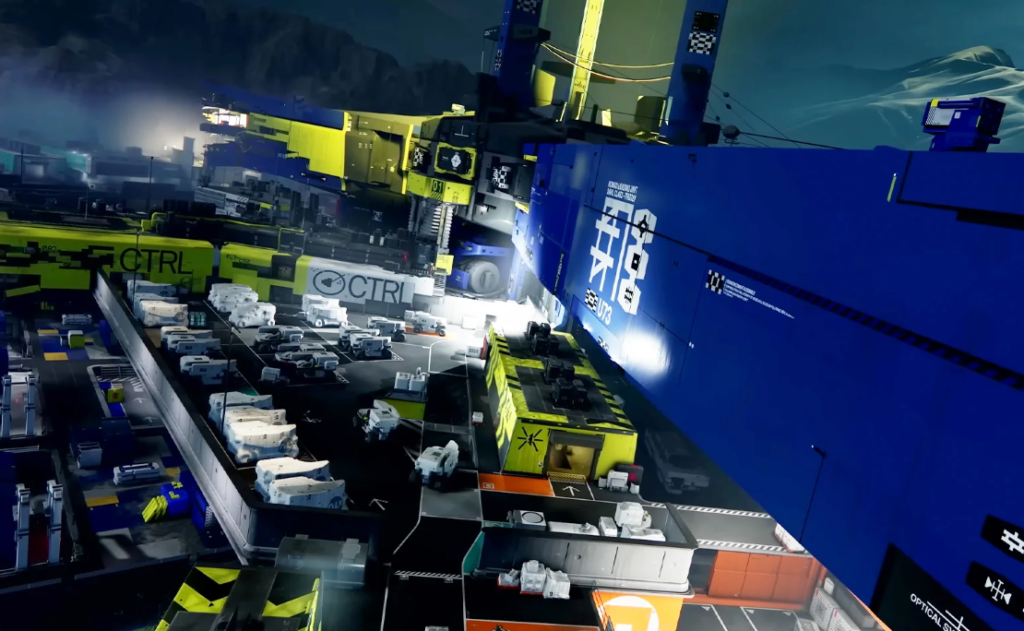
The first, most crucial advantage esports holds is the limitless nature of its arena. A football field will always be 100 yards long. A basketball hoop will always be 10 feet high. These physical constraints, while core to their respective sports, also limit the evolution of their spectacle. Esports has no such limitations. The “field of play” is a digital creation, malleable and subject to constant innovation. During the League of Legends World Championship finals, organizers can conjure a massive, augmented-reality dragon that swoops through the stadium, roaring over the players. In Fortnite, developers can orchestrate live, map-altering events that are woven directly into the competitive narrative, witnessed simultaneously by millions of players and viewers. The developers and tournament organizers are not just referees; they are world-builders, able to create breathtaking moments that would be impossible in physical reality. This programmable spectacle ensures that the viewer’s experience never gets stale and can escalate in creativity and scale year after year.
This digital-first nature also fosters a truly global and accessible ecosystem for its athletes and audience. The next LeBron James must be born with a rare combination of height and athletic ability. The next esports superstar, however, could be anyone, anywhere in the world with a decent PC and a high-speed internet connection. A prodigy from a small town in Denmark can be scouted and signed to a team based in North America with teammates from South Korea and Brazil. This global talent pool creates a level of competition and a diversity of playstyles that is unparalleled. The audience is equally global and, more importantly, digitally native. They don’t just passively watch a broadcast; they are active participants. On platforms like Twitch and YouTube, fans engage in a running real-time dialogue in chat, subscribe directly to their favorite player’s channel for exclusive content, and can even watch the game from that player’s specific point of view. It’s a deeply personal and interactive viewing experience that traditional sports broadcasting is only now desperately trying to replicate.
The irrefutable proof of this trajectory lies in the massive influx of mainstream money and cultural validation. The prize pool for Dota 2’s premier tournament, The International, routinely offers tens of millions of dollars, frequently exceeding the purses of the Masters, Wimbledon, or the Tour de France. This has attracted a wave of non-endemic sponsors that would have been unthinkable a decade ago. Luxury fashion brands like Louis Vuitton now design in-game items and trophy cases, automotive giants like Mercedes-Benz and BMW sponsor top teams, and financial institutions like Mastercard are official partners for the most significant leagues. Furthermore, owners of traditional sports franchises, celebrities, and venture capitalists have poured hundreds of millions into acquiring esports organizations, recognizing them as premier assets in the new entertainment landscape. With universities across the country now offering esports scholarships, the pipeline for professional talent has been legitimized, mirroring traditional athletic programs.
When you combine these elements, the trajectory becomes clear. Esports cherry-picks the best aspects of every entertainment vertical: it has the tribal passion and unscripted drama of traditional sports, the stunning visual effects of a Hollywood blockbuster, the high-energy production of a live concert, and the interactive community of social media. It is the perfect storm of entertainment, tailor-made for a young, tech-savvy, and globalized generation, the single most coveted demographic on the planet. To view esports as a challenger to the throne of entertainment is to use an outdated framework. It is building its own throne in a digital kingdom with no borders and a limitless capacity for growth.
Related Posts


Stay Informed With the Latest & Most Important News
Previous Post
Next Post









Advertisement