

Now Reading: The 5G Revolution is Here: What It Actually Means for Gamers, Streamers, and You
- 01
The 5G Revolution is Here: What It Actually Means for Gamers, Streamers, and You
The 5G Revolution is Here: What It Actually Means for Gamers, Streamers, and You
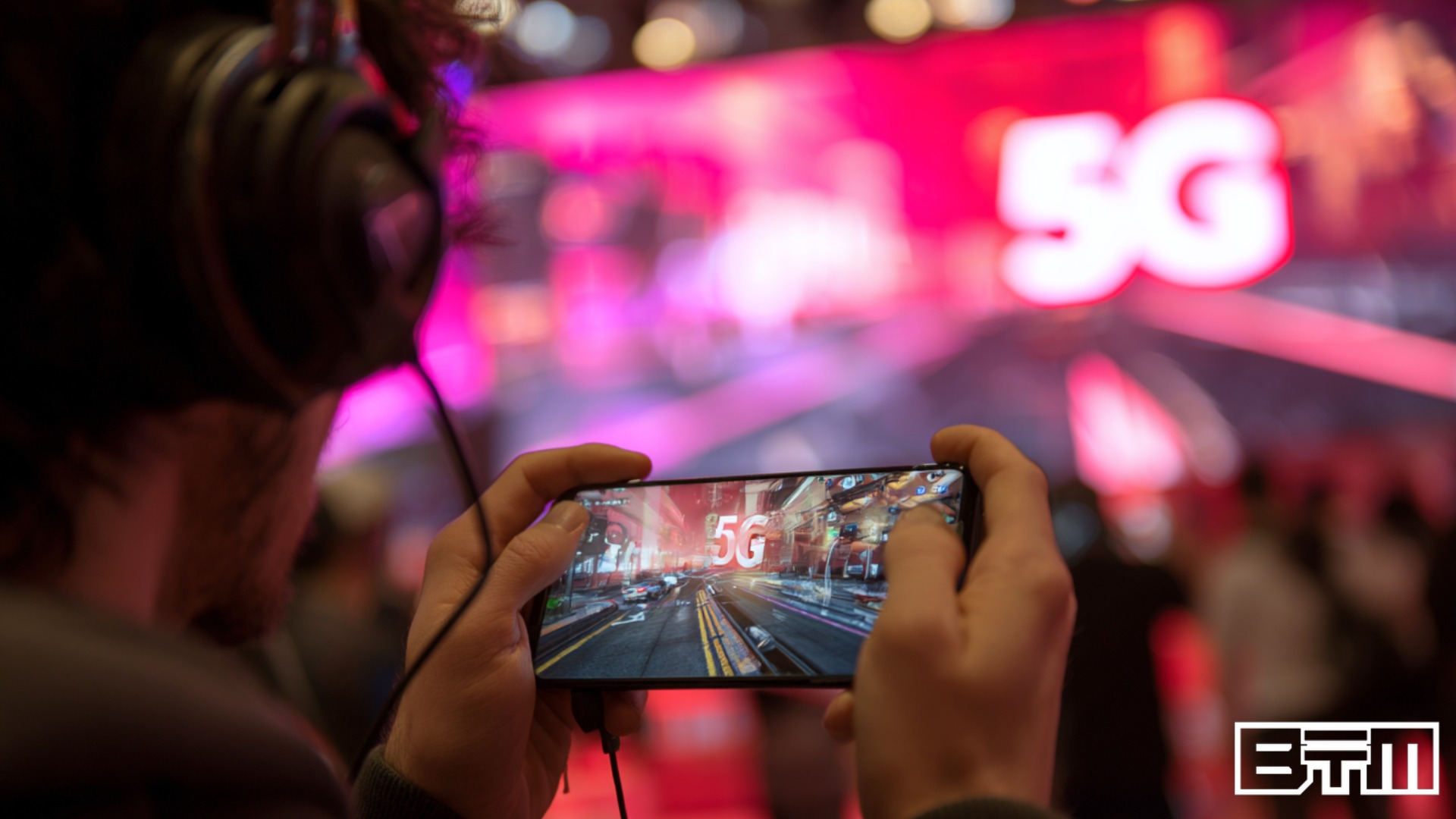
For the better part of a decade, 5G was more of a buzzword than a reality. It was a persistent icon in the corner of our smartphones, a lofty promise from tech CEOs, and the subject of commercials featuring speeds that seemed disconnected from our actual day to day experience. It was easy to become cynical, to wonder if this “revolution” would ever truly arrive. But as we navigate through 2025, the abstract promises have finally materialized into tangible, everyday change. The foundational infrastructure has matured, and the revolutionary speed, low latency, and massive capacity of 5G are no longer theoretical. They are actively reshaping the digital landscape, especially for those who live on the cutting edge of entertainment and content creation. So, let’s cut through the jargon and explore what the 5G revolution actually means for how we play, create, and live.
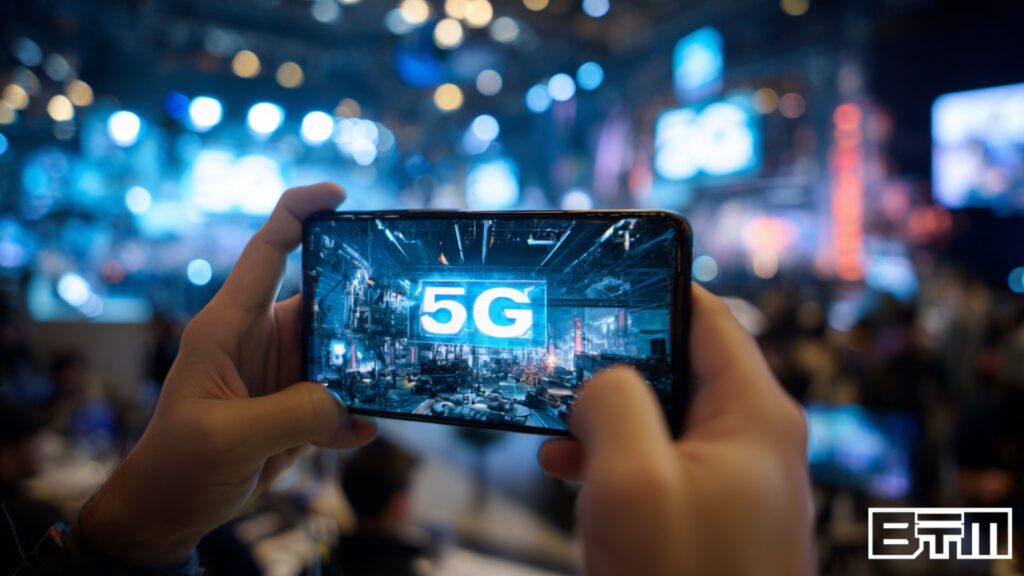
For gamers, 5G has been the missing ingredient needed to unlock the true potential of untethered, high fidelity play. The most significant impact has been on cloud gaming. Services like Xbox Cloud Gaming and NVIDIA’s GeForce NOW, which stream blockbuster games from remote servers to any device, were once heavily dependent on a pristine Wi-Fi connection. With the widespread availability of robust 5G, that dependency is gone. The technology’s two pronged benefit of massive bandwidth and ultra low latency means a player can now experience a graphically intense game like Cyberpunk 2077 on a tablet while riding a train, with a level of responsiveness and visual clarity that feels indistinguishable from a home console. It’s also empowering developers of mobile native games to be more ambitious, creating persistent online worlds and large scale multiplayer battles with the confidence that players will have the stable, high speed connection required, no matter where they are.
For streamers and content creators, 5G has been nothing short of liberating. The world of “In Real Life” (IRL) streaming has been completely transformed. Previously, an IRL streamer’s broadcast quality was at the mercy of spotty 4G coverage or the frustrating hunt for a reliable public Wi-Fi signal. This often resulted in pixelated streams, dropped connections, and a compromised viewer experience. Today, 5G’s dramatically higher upload speeds and network reliability allow creators to broadcast in crystal clear 4K resolution from practically anywhere—a crowded festival, a remote hiking trail, or the passenger seat of a moving vehicle. This newfound freedom untethers creativity from the confines of a home studio. It enables more complex, multi camera remote productions and opens up a world of possibilities for live, on the ground content that is more dynamic and immersive than ever before.
Beyond these specific use cases, the 5G revolution has quietly upgraded our everyday digital lives. For the average person, this translates to a world of seamless connectivity. It’s the ability to download a full length 4K movie in the time it takes to pour a coffee, or to stream lossless, high fidelity audio without a single buffer. But 5G’s true power isn’t just about speed; it’s about capacity. It is the invisible backbone of the Internet of Things (IoT), capable of handling a massive density of connected devices simultaneously without faltering. This is what allows for a truly responsive smart home, where your security cameras, lights, and appliances communicate instantly. In our cities, it’s the network that powers intelligent traffic grids, instantaneous public safety alerts, and a new generation of autonomous services. It enhances remote work, enables lag free telehealth consultations, and provides the foundation for immersive educational tools.
Of course, the rollout is not without its imperfections. As of 2025, a reality check is still in order. While 5G is now standard in most urban and suburban areas, coverage can still be inconsistent in rural communities, highlighting a persistent digital divide. It’s also important to understand that not all 5G is created equal. The lightning fast, multi gigabit speeds often seen in advertisements are typically from high band “mmWave” 5G, which has a very short range and is mainly confined to dense urban centers and specific venues like stadiums. Most of us experience the broader, more reliable coverage of mid band and low band 5G, which, while still a massive improvement over 4G, may not always match those hyped peak speeds.
Despite these growing pains, the conclusion is clear: the 5G revolution wasn’t a single event but a powerful, steady build up that has now reached critical mass. We are living in the world it promised. It has fundamentally altered the gaming rules, shattered the limitations for content creators, and created a more connected, responsive, and efficient world for all of us. The future of seamless connectivity is no longer on the horizon; it’s in the palm of our hands.
Related Posts


Stay Informed With the Latest & Most Important News








Advertisement