

Now Reading: OMYN LOGS #1 – You’re Teammates Might Be Trash, But Be Realistic About Yourself Too.
- 01
OMYN LOGS #1 – You’re Teammates Might Be Trash, But Be Realistic About Yourself Too.
OMYN LOGS #1 – You’re Teammates Might Be Trash, But Be Realistic About Yourself Too.
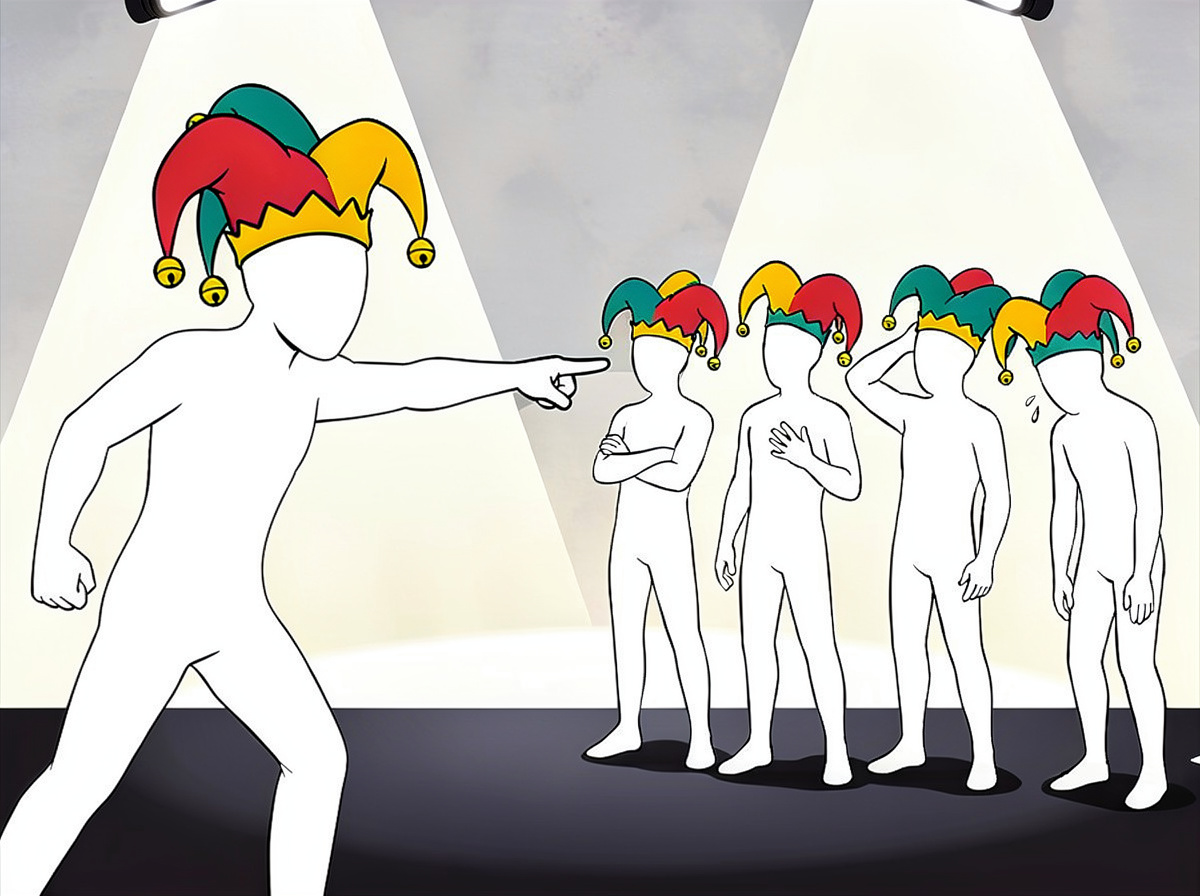
Let us be completely honest for a second. You are queuing up for a ranked match in League of Legends or Marvel Rivals (and many other team-based competitive games), and within five minutes, disaster strikes. Your tank is feeding the enemy, your support is wandering the map like a lost tourist, and the urge to type absolute venom in the chat is overwhelming. I will play the advocate here and validate your feelings because you are probably not wrong. Sometimes the matchmaking algorithm decides to test your patience by pairing you with people who play like their monitors are unplugged. It is incredibly frustrating to watch your rank plummet because someone else refuses to group up or execute their role correctly.
But here is where we need to have a blunt conversation about your own mentality. Being right about your squad being terrible does not actually put a victory screen on your monitor. The bitter truth that most players absolutely refuse to swallow is that pointing fingers does not win games, adaptation does. If your Vanguard in Marvel Rivals is rushing in and dying instantly, complaining about it in the voice channel changes nothing. The actual winning play is adjusting your own strategy to cover their massive mistakes. You have to stop playing the match you wish you were in and start playing the one you are actually in. If that means swallowing your pride and switching to a supportive character you did not want to play just to anchor the team, then that is what a real competitor does.
Furthermore, let us address the massive elephant in the lobby. The loudest people complaining about their useless team are usually the ones making zero impact themselves. It is incredibly easy to deflect blame when you are having a mediocre game. You are not the carry of the lobby just because you managed to get a decent elimination record while completely ignoring the objective. True impact players do not sit in the corner typing essays about how unfair the game is. They look at the chaotic, uncoordinated mess of a team they were given and figure out how to drag that dead weight across the finish line.
Ultimately, competitive gaming is basically a mandatory group project where you do not get to pick your partners. You can either spend the entire time crying to the teacher about how unfair the workload is, or you can step up, do the heavy lifting, and secure the passing grade for yourself. The next time you feel the urge to flame your squad, take a deep breath and ask yourself what you could have done to salvage the wreckage. Because if your only game plan requires four perfect strangers to execute flawlessly, your strategy is the actual problem.
Mastering The Mental Fortitude.
Now that we have established that adaptation is your only real win condition, let us talk about the physical reaction to a completely doomed lobby. We all know that exact moment when the urge to absolutely Hulk out takes over your body. Your duelist just peeked an enemy sniper for the fifth consecutive round and died instantly, or your Jungler missed the easiest objective steal of the century. You desperately want to press that push-to-talk key and deliver a passionate speech about their absolute lack of brain cells. Let me save you the trouble right now. Do not do it. Screaming at a teammate who is already playing horribly is exactly like trying to teach a goldfish how to do your taxes. It is a spectacular waste of your own energy, and it usually just makes them play even worse out of pure spite. You are typing paragraphs while the enemy team is taking your base.
Then we have the absolute lowest tier of competitive reactions: giving up entirely and running it down mid. Deciding to actively grief the lobby because you are upset with how the match is going is the equivalent of burning down your entire house just because the kitchen sink has a tiny leak. The moment you start throwing, you surrender any chance of a legendary comeback, and you instantly become the exact type of toxic player you were just complaining about. You are no longer the victim of a bad team; you are the architect of a guaranteed loss. Taking a deep breath, dropping the ego, and playing out the match is how you actually build the mental endurance required to climb the higher ranks.
So how do you actually protect your peace when the lobby is spiraling out of control, and the text box is turning into a warzone? You utilize the most overpowered mechanic that developers have ever put into a multiplayer video game. The glorious mute button. If you encounter those chronic complainers who spend more time typing rage bait than actually playing the game, you need to silence them immediately. You cannot control the emotional maturity of a random stranger on the internet, but you have complete authority over whether or not you allow them to ruin your mood. Think of it like rolling up the window of your car when the person next to you in traffic is blasting terrible music. Cut the communication feed, focus entirely on your own mechanics, and protect your mental state at all costs.
Full Disclosure From The Trenches
Before we officially close out this session of OMYN LOGS, I need to drop a very real disclaimer. I am absolutely not immune to the tilt myself. There are plenty of nights where some absolute creature on my team starts typing a delusional novel about my gameplay in the text box, and I instantly turn into Ghost Rider. My skull catches fire, my hands hover over the keyboard, and I am ready to drop a nuclear response that would get my account restricted into the next dimension. We are all human, and competitive gaming is specifically designed to spike your adrenaline and test your patience. But if you actually want to last long in these lobbies and climb the ranks without having a total meltdown, you have to let that fire burn out quickly. You swallow the rage, you queue up for the next match, and you leave the toxic players exactly where they belong, right there in the dirt.
Stay Informed With the Latest & Most Important News
Previous Post
Next Post









Advertisement